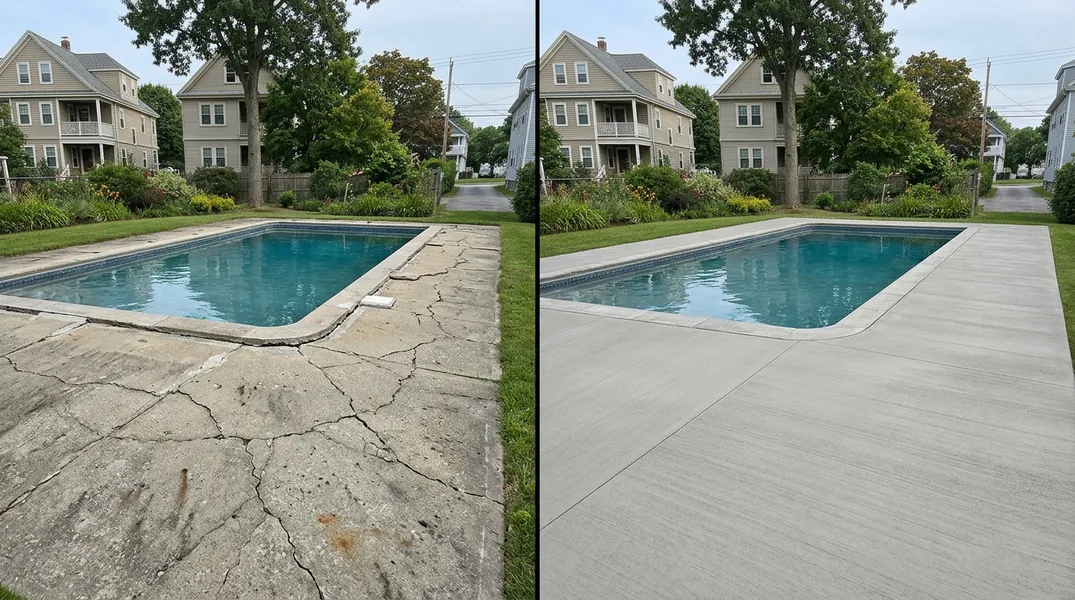
Concrete vs. Pavers: Understanding Your Options
When it comes to upgrading your driveway or patio in Providence, the choice between concrete and pavers is one of the most important decisions you'll make. Both materials have earned their place in residential landscaping, but they offer distinctly different benefits and drawbacks. Understanding the differences between these two popular options will help you make an informed decision that aligns with your budget, lifestyle, and aesthetic preferences.
Concrete is a monolithic material that's poured and finished as one continuous surface, while pavers are individual units laid out in patterns. Concrete Driveways have dominated the market for decades due to their simplicity and affordability. Pavers, on the other hand, have gained popularity in recent years because they offer greater design flexibility and a more upscale appearance. Each material serves the same functional purpose, but the way they perform, look, and age tells a very different story.
Durability and Longevity: Which Lasts Longer?
Durability is a critical factor when investing in a driveway or patio. Concrete typically lasts 25 to 30 years with proper maintenance, making it a solid long-term investment. However, concrete is susceptible to cracking due to freeze-thaw cycles, which are common in New England winters. Concrete Repair & Resurfacing services become necessary when cracks develop or the surface begins to deteriorate. The good news is that minor damage can often be repaired without replacing the entire surface, extending the life of your investment.
Pavers also offer impressive longevity, often lasting 25 to 50 years depending on the quality of installation and materials used. One major advantage of pavers is that individual units can be replaced if they crack or become damaged, without affecting the rest of the surface. This modularity makes pavers particularly attractive to homeowners who want a solution that can be refreshed over time. However, paver installation requires more meticulous craftsmanship, and settling or shifting can occur if the base isn't properly prepared. In the Cranston and Pawtucket areas, where soil conditions vary, proper base preparation is essential for paver longevity.
Maintenance Requirements and Ongoing Care
Maintenance is where concrete and pavers diverge significantly. Concrete requires regular cleaning and periodic sealing to protect against staining, moisture penetration, and UV damage. In Providence's climate, where salt is used on roads during winter, concrete driveways need extra attention to prevent deterioration. Sealing should be reapplied every 2 to 3 years, and cracks should be filled promptly to prevent water from entering and causing further damage. While this maintenance is manageable, it does require consistent attention and planning.
Pavers demand more intensive maintenance but offer different advantages. Weeds can grow between pavers, requiring regular weeding or the application of polymeric sand to prevent this issue. Pavers may shift over time due to soil movement or heavy traffic, requiring occasional re-leveling. However, the modular nature of pavers means you can address specific problem areas without overhauling the entire surface. Many homeowners appreciate that pavers can be power-washed without concern, whereas concrete can be damaged by aggressive pressure washing. If you're considering Concrete Patios, understanding these maintenance differences will help you choose a surface that fits your lifestyle.
Design, Aesthetics, and Customization Options
When it comes to visual appeal, pavers offer unmatched design flexibility. They come in countless colors, sizes, shapes, and patterns, allowing you to create a truly personalized outdoor space. Whether you prefer a traditional herringbone pattern, a modern geometric layout, or a custom design that complements your home's architecture, pavers can deliver. This versatility makes them especially popular for upscale residential projects where aesthetics are a priority.
Concrete, while traditionally considered more utilitarian, has evolved significantly. Stamped & Decorative Concrete options now allow homeowners to achieve sophisticated looks that rival pavers at a fraction of the cost. Stamped concrete can mimic the appearance of stone, brick, or tile, and decorative finishes can include color tints, exposed aggregate, and custom scoring patterns. For homeowners in Providence seeking a balance between affordability and aesthetic appeal, decorative concrete offers an excellent middle ground. The key difference is that concrete is a single surface, so design choices are made during installation and are permanent, whereas pavers offer the flexibility to change or upgrade portions of your surface later.
Concrete Driveway and Patio Cost in Providence: What to Budget
Cost is often the deciding factor for many homeowners. Concrete is generally the more affordable option upfront, with standard concrete driveways typically costing between $4 to $8 per square foot installed. For a typical 500-square-foot driveway, you're looking at a budget of $2,000 to $4,000. Pricing for decorative concrete options like stamped finishes runs higher, typically $8 to $12 per square foot, but still remains more economical than pavers.
Paver installation generally costs between $10 to $25 per square foot, depending on the quality of materials, complexity of the design, and site conditions. For the same 500-square-foot project, paver costs could range from $5,000 to $12,500 or more. While this higher initial investment may seem daunting, many homeowners view it as worthwhile given the aesthetic appeal and the ability to replace individual units. Additionally, some paver materials hold their value better than concrete in resale situations. When evaluating total cost, consider not just installation but also long-term maintenance expenses. Concrete requires regular sealing and repair, while pavers require weeding and occasional re-leveling. Providence Concrete can provide you with a detailed free estimate for either option, allowing you to compare costs and make an informed decision.
Making Your Final Decision: Concrete or Pavers?
Choosing between concrete and pavers ultimately depends on your priorities. If budget is your primary concern and you want a straightforward, low-maintenance solution that will serve reliably for decades, concrete is an excellent choice. Modern concrete finishes can be attractive and personalized, and professional installation ensures a quality result. Concrete works particularly well for high-traffic areas like driveways where durability and simplicity are valued.
If you prioritize design flexibility, don't mind investing more upfront, and appreciate the ability to refresh or modify your surface over time, pavers may be the better investment. Pavers create a more distinctive, upscale appearance that can significantly enhance your home's curb appeal. They're ideal for patios and decorative areas where aesthetics play a larger role. Whatever you choose, working with experienced professionals ensures your investment is properly installed and protected. Providence Concrete specializes in both options and can help you evaluate which solution is best for your specific needs. Contact us today at (401) 246-7317 to discuss your driveway or patio project and receive expert guidance tailored to your home and budget.
Looking for a professional concrete contractor in Providence? Providence Concrete responds fast for all your concrete needs.
Get a Free QuoteOur services: Concrete Driveways · Concrete Patios · Stamped & Decorative Concrete